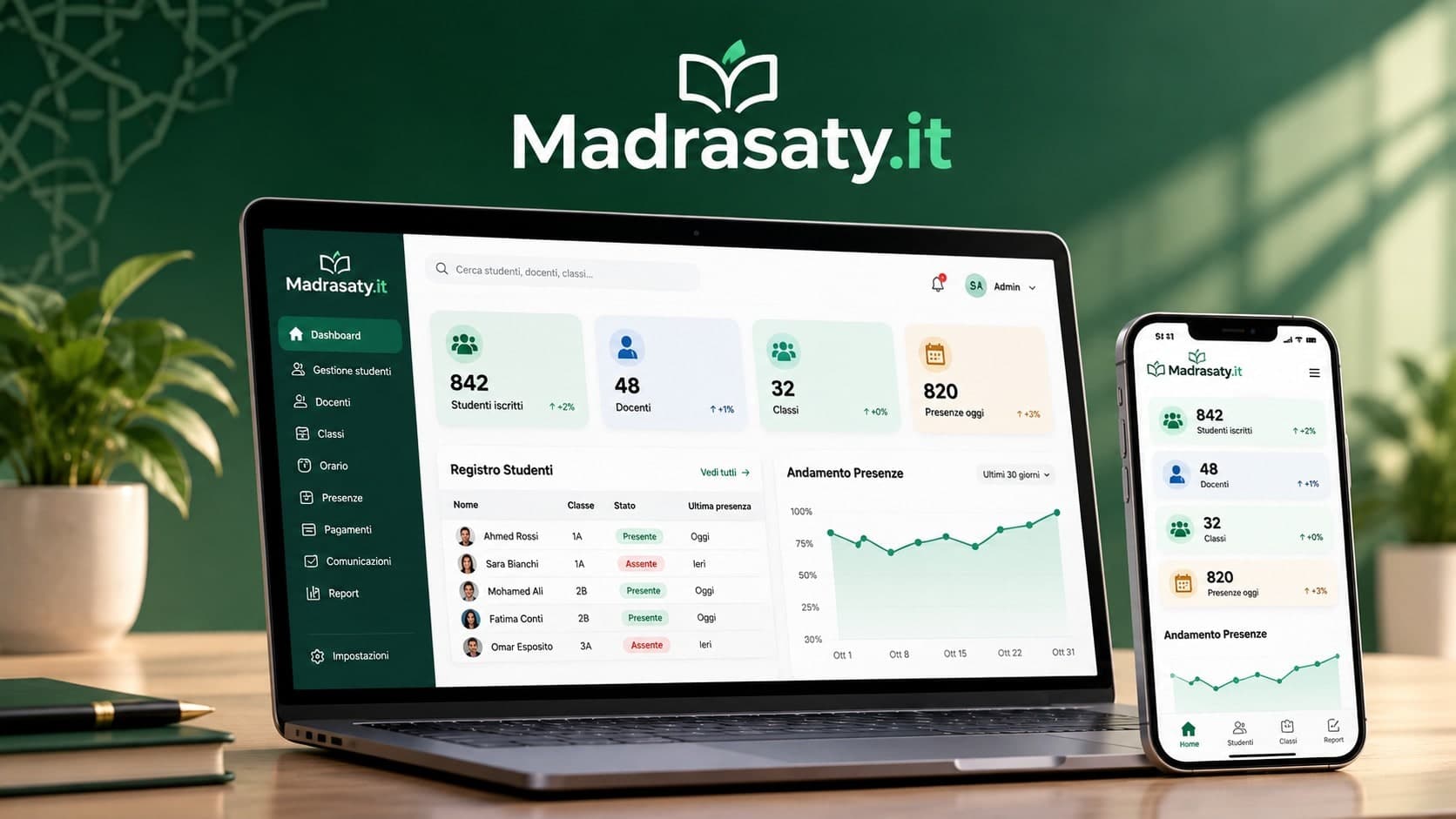
ERP
Custom ERP software
Manage orders, purchasing, suppliers, production, warehouse and logistics on a platform designed around your company’s workflows.
Software and ERP systems
Software should follow your work. Not the other way round.
We design and build custom business software for manufacturing, trading and service SMEs. We connect orders, production, warehouse, sales and customers through ERP, CRM and B2B platforms designed around how your company really works.
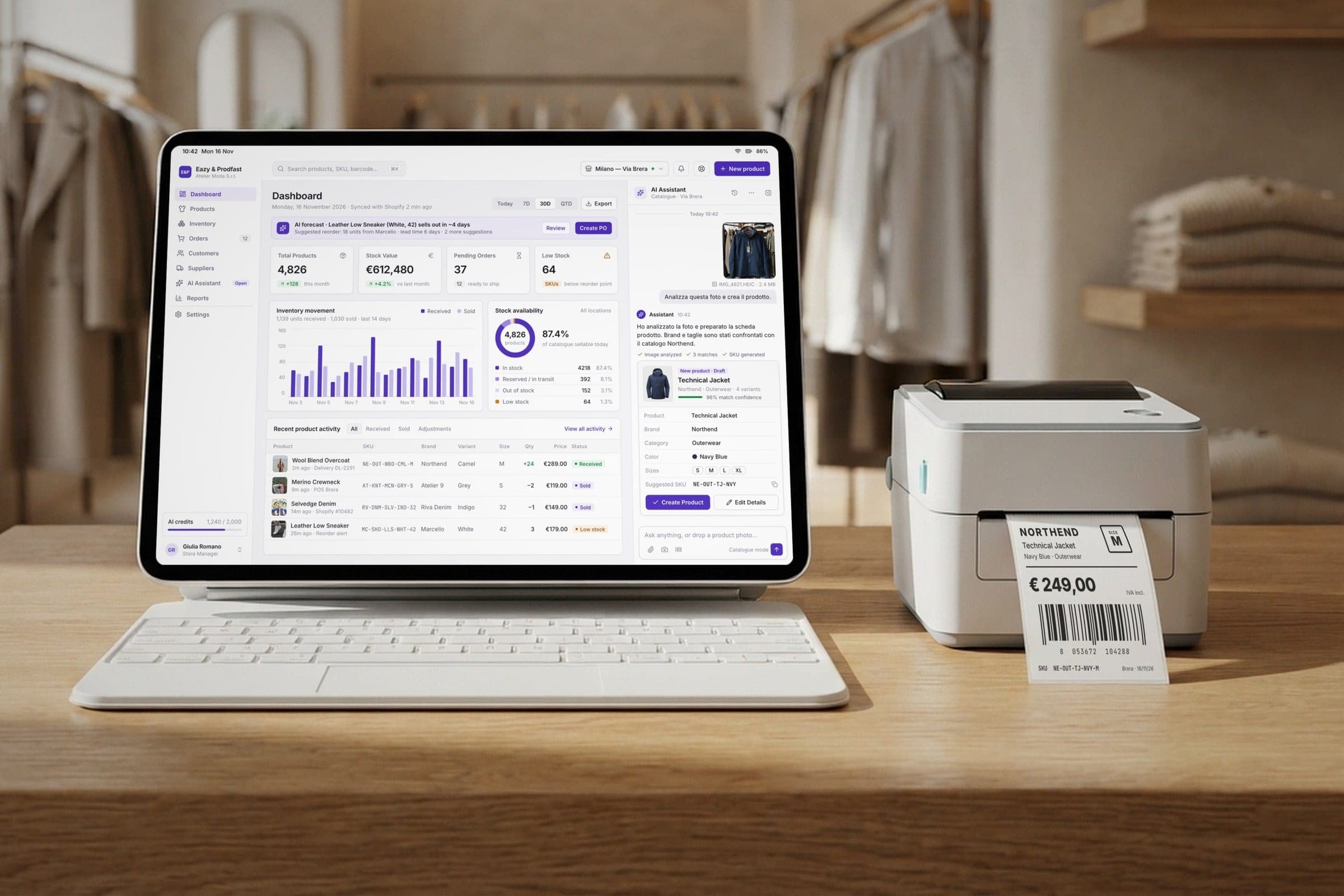
A customer sends an order. Administration records it, the warehouse checks availability and production receives the instructions.
When these steps depend on email, spreadsheets and disconnected software, every operation takes time and can create errors.
We build systems that let every department work on the same data, making information accessible and processes easier to run.
Today: email, spreadsheets and disconnected software at every step.
With one system: every department works on the same data.
ERP
Manage orders, purchasing, suppliers, production, warehouse and logistics on a platform designed around your company’s workflows.
CRM
Centralise customers, contacts, sales opportunities, quotes and sales-team activity. Connect sales work to operations and administration.
B2B
Digitise order intake with catalogues, private price lists, availability, trade terms and dedicated areas for customers, resellers and agents.


Sometimes the existing software works but doesn’t talk to other systems. Other times it has become too rigid for new processes and ways of working.
We assess the right solution for your situation.
Paying subscriptions for software you only partly use, sitting through long training sessions and bending your processes to tools that are too complex can become a significant cost.
We design intuitive solutions built around how you actually work, cutting unnecessary features and the learning curve. When possible, we improve and connect the systems you already have, avoiding needless replacements.
We build a new business system when operations need specific features and workflows.
We connect ERP, CRM, e-commerce, databases, machines and IoT devices through APIs, connectors and dedicated integrations, centralising data and automating business workflows.
We work on outdated systems, legacy applications and manual processes, planning data migration and the gradual rollout of new features.
Grants and incentives
We assess with you the opportunities available for your project: national and regional digitalisation grants and Italy’s enhanced depreciation (iperammortamento) for eligible investments made from 1 January 2026 to 30 September 2028.
We start by analysing your processes and existing systems. We define requirements, priorities and architecture, then move to design, development, integration and testing.
When the project allows it, we release in progressive modules, so new features arrive without changing all your operations in one step.
A custom ERP can be the right choice when your processes can’t be handled well by standard software, you need specific integrations, or the required customisations become too complex. Weigh cost, time, maintenance and flexibility of the alternatives.
Yes, when the systems technically allow it. Through APIs, connectors and dedicated procedures we connect business applications and sync data such as customers, products, orders and availability. We check possibilities and limits before development.
Not necessarily. Often you can keep the existing system, add modules or introduce a new platform connected to the software already in use.
It happens when the software has many features you don’t need or takes long training. Before changing, we look at which features you really need: sometimes simplifying or connecting the existing system is enough, other times a simpler custom system is the better choice. The comparison should cover every cost: subscriptions, training, customisation and maintenance.
It depends on the modules, process complexity, number of integrations, data migration and security requirements. A preliminary analysis defines priority features, development phases and a cost estimate that fits the project.
Public grants, contributions and incentives, national and regional, can support investment in software, digitalisation and innovation, for example through non-repayable grants, tax credits or subsidised loans. Requirements, eligible costs and deadlines vary from scheme to scheme, and recovering costs depends on the application being approved. We help you assess the opportunities and bring in specialist advisers when needed.
Whether you want to replace rigid software, connect existing tools or build a new business platform, we analyse your needs and find the right path.